My Blog

Happy May Day!

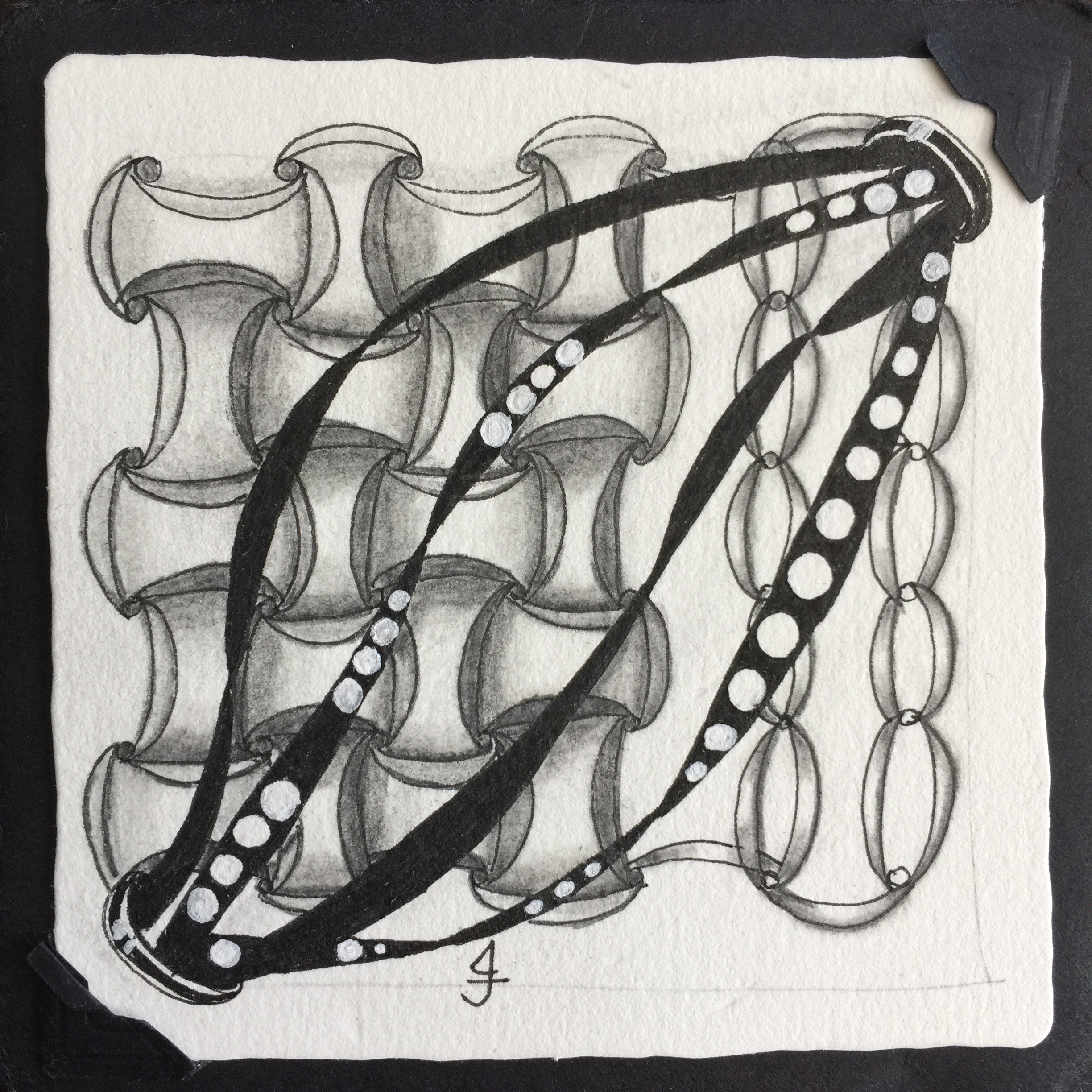
Traditionally my family celebrated May Day by gathering flowers from the garden, making a bouquet and hanging it on our front door. Here is an abstract version with Emingle, Flux rope, Antidots rope, Sedgeling and Sanibelle.  For comparison, below are the unshaded and shaded tiles.  Unshaded:

And after shading.


I made three misstrokes but I think they all worked out just fine. Happy May Day!

e-tangling with an iPad Pro and procreate 

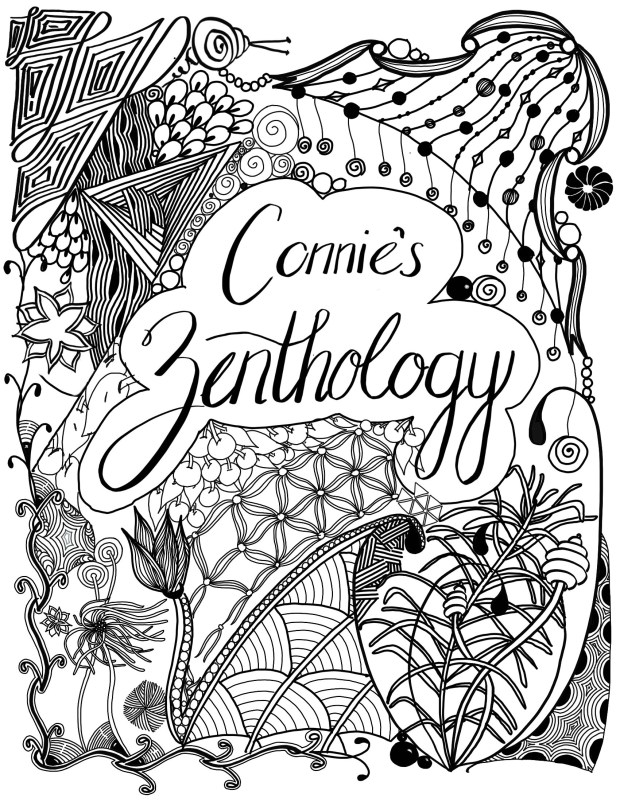
I usually prefer tangling on paper and a pen.. but every now and then I pick up my iPad. Here is a draft of the front page to my Zenthology. My Zenthology is a paper booklet that contains abbreviated step-outs for all of of the tangles I know and love. It’s hard to believe that just only a year ago, I didn’t think I could draw – anything!

Brenda Shaver Shahin (brendashaver.com), a fellow CZT said it well yesterday that practicing Zentangle makes anything feel within your grasp. After tangling for a year, I had the confidence to take an acrylics class last week, when the only medium I had previously painted in was latex with a roller, on my living room wall. If you can’t draw, try Zentangle! If you really really can’t draw – like me – take a class from a CZT! Anyway, here is a draft of the front page of my Zenthology. It’s not a work of art, but I like it, and it was so relaxing to draw.. one pen stroke at a time.

img_2817-1

3-Z tile fun at S’bastiens 

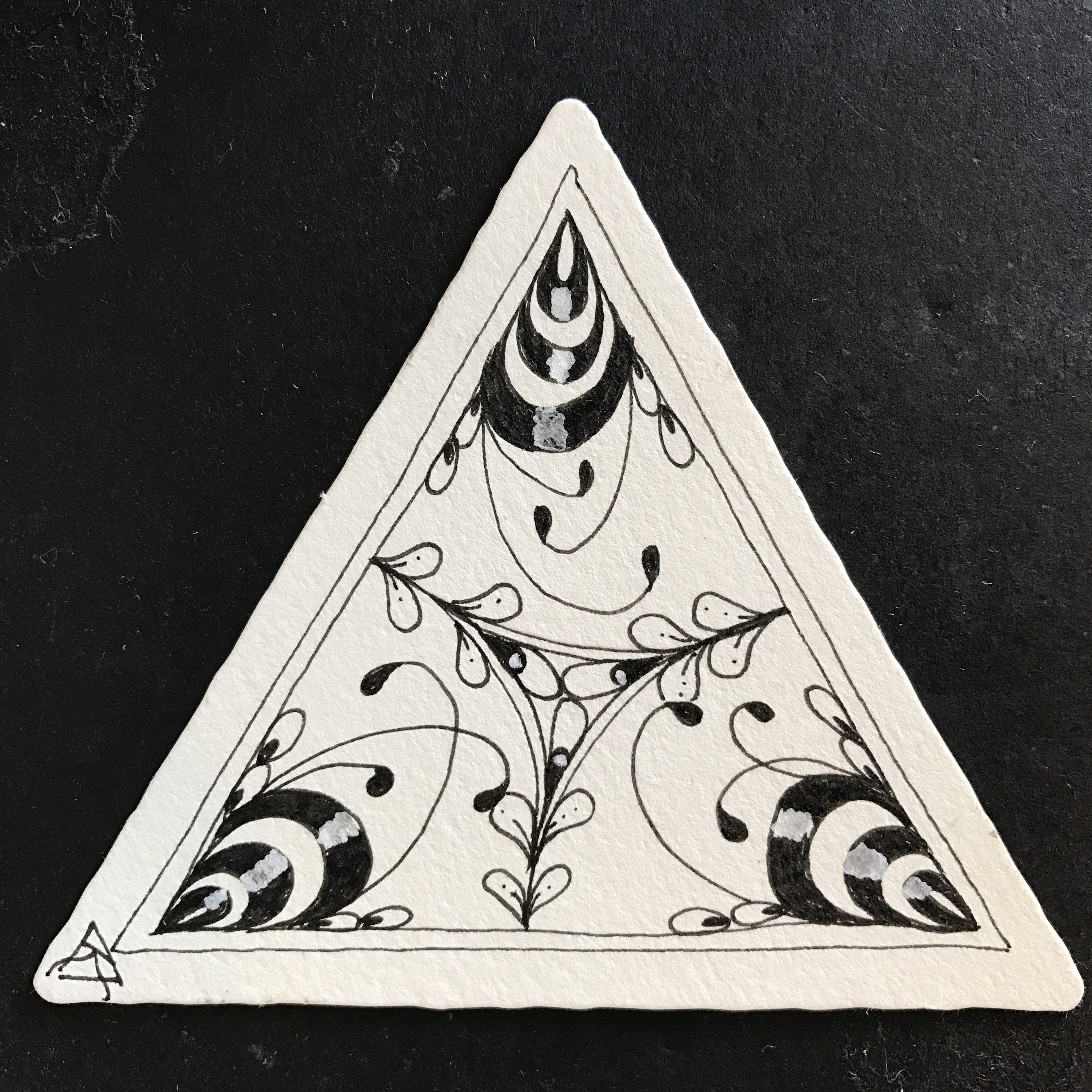
The 3-Z tiles are so versa-tile (excuse the pun)!!  There is so much you can do.  Here is a simple meditation that helped bring calm to me this morning. #Bunzo in the corners, with #Fescue peeking up, with some #Tagh and #Flux rope. 

No graphite today!

New Tangle named “Candor”

Once  you start tangling, you see patterns everywhere!  I found this pattern on a door at the Cantor Center for Visual Arts, a museum in Stanford University.  It was so very beautiful, and what struck me as curious is it truly looked like a typical Zentangle-like pattern, with sinuous S shapes, orbs and even straight lines.

I can’t imagine the looks I got while taking a close-up photo of the inside of the front door of the Cantor Center.. in a museum full of art, I photograph the door?!

The design is beautiful, as you can see.

cantor-door-low

At first glance it looks very similar to  Zentangle’s Fife, or Quandry.  The visible differences are:

  • Fife uses rice-grain shapes, whereas Candor uses leaf-shapes.
  • Fife includes an additional grain that is drawn behind.
  • Candor’s leaves are each aura’d.
  • Candor’s center is more an orb, rather than a dot.
  • If we were to be true to the entire Candor design, it also includes orbs inside each leaf, and furthermore has a background of straight lines, behind the leaves.

When I first looked at the door and tried to draw the step-out, I though easy peasy!  However to get a close representation of Candor, it took me a few attempts to work out the kinks, so because of this added complexity, it is more of an intermediate/advanced design rather than a design easy for beginners.

So what are the gotcha’s that make Candor less easy than first appears?

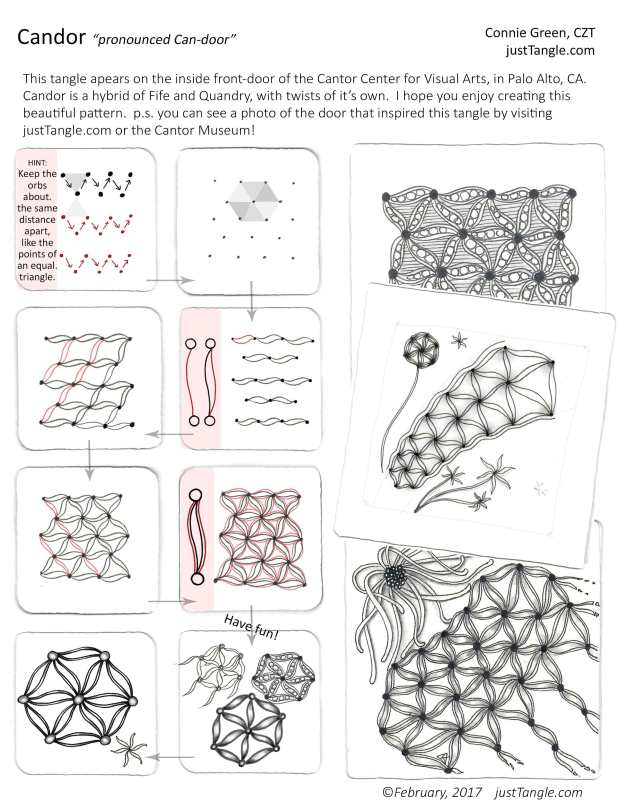
  1. The center dot needs to be a larger orb shape, because we need space to anchor the the 6 leaves and their auras.
  2. The leaf points should just touch the center orbs.
  3. The auras should truly aura the leaf shapes, and not end in a point (this is why we need the extra space!)
  4. Each alternate row of orbs needs to be offset from the top, so that the hexagon shape is equilateral (each spoke and outside line being the same length) – this is where the big difference with Fife exists, because the Fife framework is a much simpler line of dots repeated directly under each-other.

Phew.  It sounds complicated, but once you “get the gist” it isn’t that hard for an intermediate Tangler!  So here is my step-out!  I will likely update the step-out to add more explanation, or if I work out an easier way of replicating the pattern, so please check back regularly!  You can download a PDF of the stepout here.
candor-stepout-connie-green

Enjoy tangling with Candor!

Oh, by the way…  the name comes from CANtor DoOR.

p.p.s.  there is another beautiful design on the bottom of the photo, which is also part of the Cantor door!  Maybe Candor 2?  🙂


Happy October!

I’ve been tangling daily, and here is my latest. The tangling was fairly speedy, but detailed shading always takes me a long time!  

Tangles are a Huggins/Pax hybrid, with Quib and Tipple.

ZiA.. not Quite the Zentangle Method

The Zentangle Method (ZM) is wonderful for helping bring calm to a busy mind.   Sometimes though, you just want to express yourself artistically.  In the Zentangle world, this kind of artwork is called Zentangle-inspired Art (ZiA).  Here are a two tiles where I deviate from the ZM.

The first tile includes the tangle Squib, which is incredibly versatile when used as a string.  Within Squib, is the tangle Paradox.  The license I’ve taken is to shade the tile using Copic brand markers (sketching grays), rather than graphite.  The second tile includes Flux, Zinger, Springkle and Cadent, and there is a light shadow painted on using watered down India ink.

I think my next set of tiles will be monotangles 🙂

You can tangle on a plane..

You can tangle on a plane,
You can tangle on a train.
You can tangle in the car,
You can tangle traveling far.
You can tangle here and there,
You can tangle anywhere!

Apologies for the bad poem.. and borrowing from Dr Seuss.  I have been traveling with my family visiting my children’s Grandparents, and found myself tangling on a plane, train, in a car (and coffee shops too 🙂  Here are some of my tiles.

I also worked on some Zentangle-inspired Art (ZiA).  ZiA can look similar to art produced using the Zentangle-Method, but it can differ in fundamental ways that don’t follow the Zentangle method, including:

  • Size or color of paper.
  • Color of ink.
  • Adding color to the work, or non-graphite shading.
  • The artwork being representational (i.e. looking like something in real-life)
  • The artwork being pre-planned, including sketching out the work.

The Zentangle Method derives its meditational benefit from using few tools, and being simple and unplanned, so you don’t stress thinking about what the finished product will look like.

p.s.  Talking about tangling in strange places.. I wish my traveling companion had taken a photo of me e-tangling on my iPad.  I was (attempting to) tangle, while my youngest son was draped across my legs trying to sleep;  both of my arms were hovering over his head  (In this case, the rhyme should be.. You can tangle while being a bed!)

Tangle on!

It’s been a while..

in fact, way too long since I got back to the simple pleasure of tangling, without any aims.  It is so easy to get caught up in learning a new tangle, polishing up shading techniques, playing with pencils.  When I have specific aims, the simple elegance of meditatative drawing and the resulting benefit is lost.  I had so much fun today, just by going back to the simple guidelines put forward by the Zentangle method.  

If you’d like to learn the Zentangle Method Principles, let me know!  Tangling with others also adds another level of benefit when tangling with likeminded folks. 

Upgrade to my portable kit

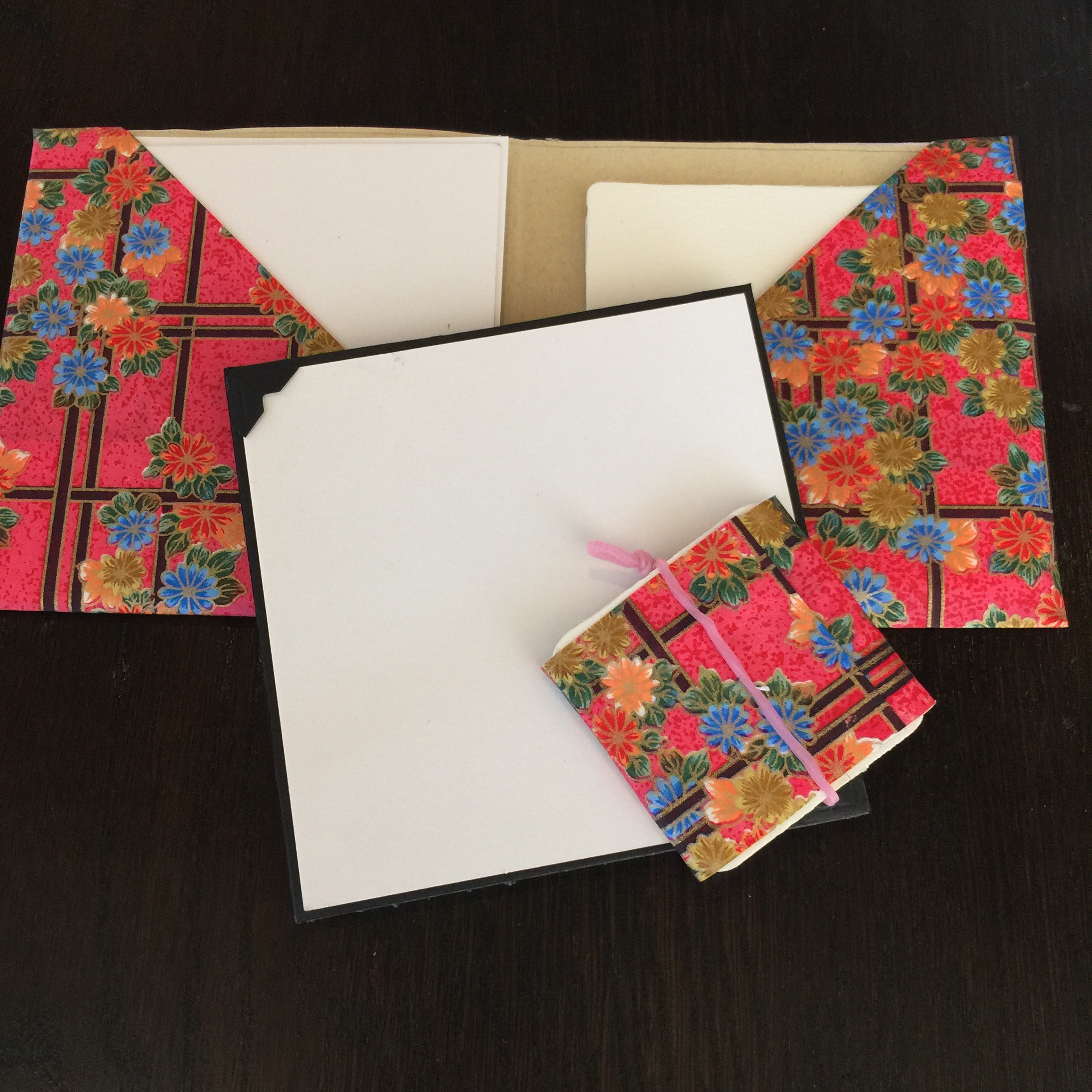
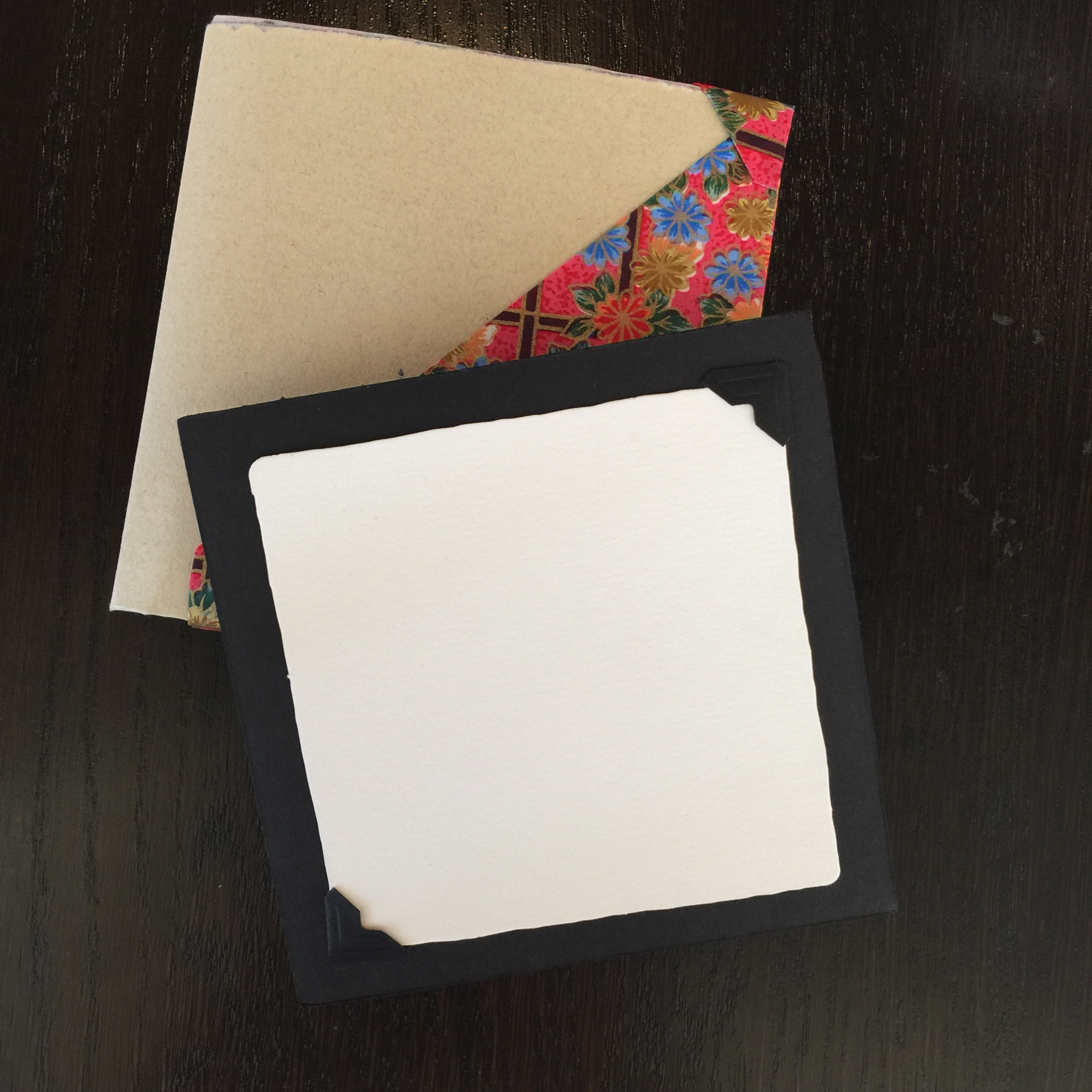
I’ve decided to include 4″ Bristol tiles in my toolkit, and to keep the tiles clean and unbent, I needed a larger folder, and larger black tile support. Here they are!  Because I also wanted to carry Bijou tiles, I’m trying out a tiny wrap made from the leftover paper, along with a loose silicone band. 

In the folder, the 4″ tiles are on the left, and the 3.5″ Zentangle tiles on the right.   The flip side of the tile support is for 3.5″ tiles. 


Happy tangling!